Sports betting is fundamentally a psychological challenge where emotional control and cognitive awareness determine long-term success. While many bettors focus on statistics and odds, the mental factors that influence decision-making often separate profitable bettors from those who consistently lose money. Research shows that 70% of sports bettors lose money long-term, and the primary reason isn’t poor statistical analysis—it’s psychological factors that sabotage their decision-making process.
How Crowd Behavior Shapes Betting Markets
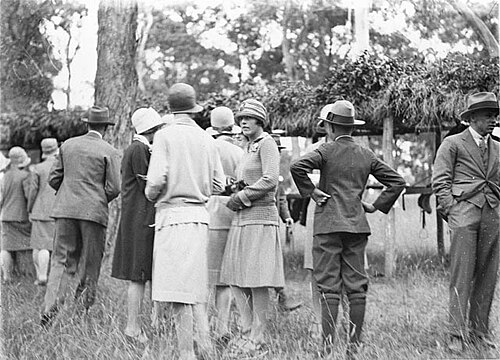
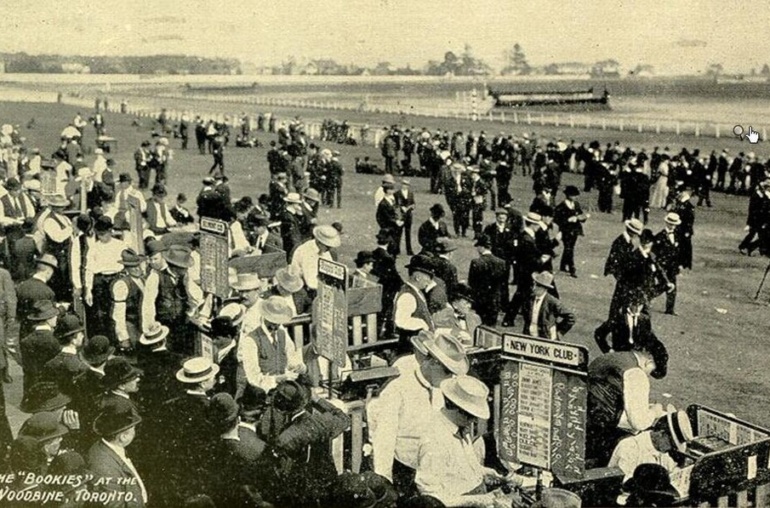
Crowd behavior in sports betting creates predictable patterns that sportsbooks and savvy bettors can exploit. When large groups of bettors favor one side, the collective emotional state significantly impacts betting lines and odds.
Herd mentality drives many betting decisions, with bettors assuming popular opinion must be correct. This creates self-reinforcing cycles where heavily bet teams become even more attractive, regardless of actual value. Media narratives amplify this effect, as teams with strong media presence often attract disproportionate betting action compared to their true probability of winning.
Recency bias heavily influences betting decisions, with recent performance weighing more heavily than historical data. A team winning three games in a row appears more attractive than their long-term statistics warrant, even when regression to the mean suggests they’re likely to perform closer to their average level.
Cognitive Biases That Impact Market Psychology

Several cognitive biases significantly affect how bettors perceive and react to market conditions, creating exploitable inefficiencies.
Confirmation bias leads bettors to seek information that confirms their existing beliefs while ignoring contradictory evidence. If you believe a team is “due” for a win, you’ll focus on statistics that support this belief while overlooking factors that suggest otherwise. This selective information processing creates predictable betting patterns.
Loss aversion causes the pain of losing to be psychologically more powerful than the pleasure of winning. This often leads bettors to take unnecessary risks to recover losses, a phenomenon known as “chasing losses” that creates predictable market inefficiencies. The fear of loss can also cause overly conservative betting during losing streaks.
Gambler’s fallacy represents the mistaken belief that past events influence future independent events. Just because a team has lost five games in a row doesn’t mean they’re “due” for a win, yet this belief drives significant betting volume. This cognitive error creates opportunities for bettors who understand probability theory.
Emotional Control in Volatile Markets
Emotional regulation is perhaps the most critical psychological skill for successful betting in volatile market conditions. Understanding and managing your emotional responses can prevent costly mistakes.
Tilt represents a state of emotional frustration that leads to irrational betting decisions. Professional poker players recognize this concept, but it’s equally relevant in sports betting, especially during market swings. When emotions run high, decision-making quality deteriorates rapidly.
Overconfidence during winning streaks can lead to inflated confidence and larger, riskier bets. Conversely, losing streaks can trigger fear and overly conservative betting, both of which create exploitable market opportunities. The key is maintaining consistent betting discipline regardless of recent results.
Impulsivity has increased dramatically with mobile betting accessibility. With 70% of wagers now placed via mobile devices, impulsive betting has become more accessible than ever, creating rapid sentiment shifts that savvy bettors can anticipate and exploit.
Market Sentiment Indicators
Understanding market psychology requires recognizing key sentiment indicators that reveal crowd behavior patterns and emotional states in the betting market.
Line movement often indicates where smart money is going, while public money tends to follow media narratives and popular teams. Sharp line movements suggest professional bettors are placing large wagers, while gradual movements often reflect public betting patterns.
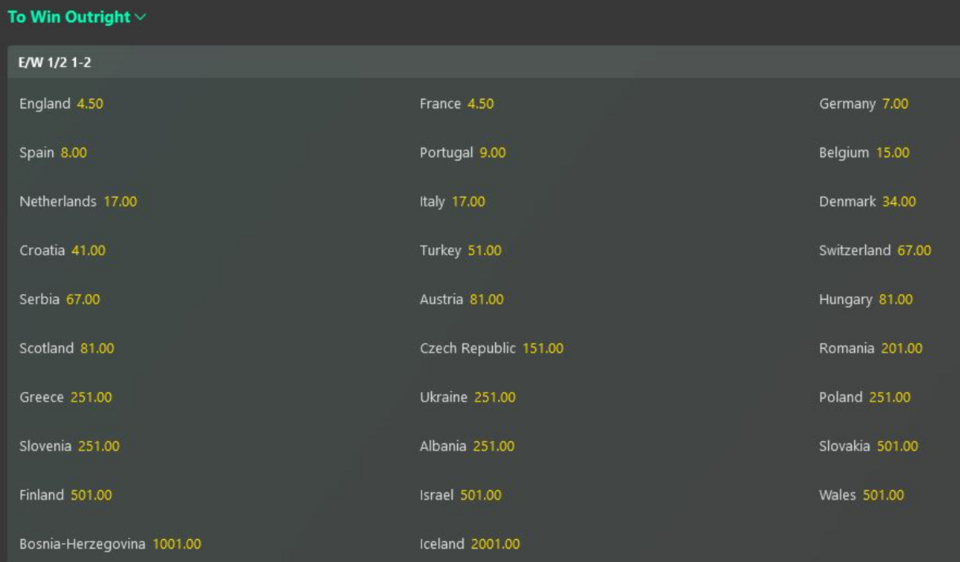
Betting percentages reveal where crowd sentiment lies, creating opportunities when public opinion diverges significantly from statistical reality. When 70% or more of the public bets on one side, sportsbooks often adjust lines to balance action rather than reflect true probabilities.
Volume patterns can indicate emotional states in the market, with panic betting often occurring during major news events or unexpected outcomes. High-volume betting periods typically show more emotional decision-making and less rational analysis.
Exploiting Psychological Factors for Profit
Successful bettors leverage psychological factors rather than being controlled by them, using crowd behavior patterns to identify value opportunities.
Contrarian betting becomes profitable when public sentiment becomes extreme. When 80% or more of the public bets on one side, the line has often moved away from fair value, creating opportunities for bettors willing to take the opposite side. Sportsbooks adjust lines to balance action rather than reflect true probabilities.
Timing strategies involve understanding when emotional betting is most likely to occur. Monday mornings, after major news, and during losing streaks typically show increased emotional betting volume. Strategic bet placement during these periods can provide advantages.
Bankroll management prevents emotional decisions from destroying long-term profitability. Strict bankroll management ensures that even during periods of poor decision-making or bad luck, your betting capital remains intact for future opportunities.
The Mobile Revolution’s Impact on Market Psychology
The shift to mobile betting has fundamentally changed market psychology, creating new patterns and opportunities for informed bettors.
Increased impulsivity has reduced the time between impulse and action, creating more volatile market sentiment. Mobile accessibility allows bettors to place wagers within seconds of having a thought, often without proper analysis or consideration of value.
Real-time information access accelerates sentiment shifts, with instant news and statistics creating rapid market reactions. This speed creates both risks and opportunities, as emotional reactions to news can create temporary market inefficiencies.
Social media influence amplifies crowd psychology, with trending narratives quickly affecting betting patterns across multiple markets. A single viral story can shift public sentiment and betting patterns within hours, creating opportunities for bettors who can separate signal from noise.
Understanding sports betting market psychology requires recognizing that successful betting isn’t just about picking winners—it’s about understanding why people bet the way they do and exploiting the predictable patterns that emerge from human psychology. The most profitable bettors are those who can recognize when market sentiment diverges from statistical reality and have the psychological fortitude to exploit those inefficiencies consistently.
Sports betting market psychology represents a complex interplay of individual cognitive biases and collective crowd behavior. Success requires not only understanding these psychological factors but also developing the emotional discipline to act contrary to natural human tendencies when the data supports it. The key to long-term success lies in mastering your own psychology while simultaneously understanding and anticipating the psychological factors driving market behavior.
This dual awareness—of both personal biases and crowd psychology—creates the foundation for sustainable profitability in sports betting markets. By recognizing and exploiting psychological factors rather than being controlled by them, bettors can develop a significant edge over the majority who let emotions and cognitive biases drive their decisions.
Internal Links
For more insights on sports betting strategies, explore these related topics:
Sports betting line movement tracking apps can help you spot market trends early and identify when public sentiment is shifting the odds.
How to identify value bets in sports teaches you to find profitable opportunities when market psychology creates mispriced odds.
Sports betting hedging strategies explained shows you how to protect your bankroll during volatile market conditions.
Sports betting data visualization techniques helps you see patterns in your betting data that reveal psychological biases.
Sports betting statistical models explained provides tools to build your own predictive models that account for market psychology.
Sports betting liquidity and volume analysis helps you find the best markets to trade based on crowd behavior patterns.
Sports betting order book analysis teaches you to read the market like a professional, understanding how psychology drives order flow.