
The sports betting market is projected to reach $9.34 billion by 2028, with 70% of all wagers now placed via mobile devices. As 38 states plus D.C. have legalized sports betting in 2026, the competitive landscape demands sophisticated market analysis techniques that go beyond basic betting principles. Professional bettors need to understand how to read line movements, analyze betting percentages, and identify profitable market inefficiencies to gain an edge in this rapidly evolving industry.
- Professional bettors use line movement analysis as a core strategy, with 68% incorporating it into their betting approaches
- Sports betting markets vary significantly in efficiency levels, with NFL point spreads being highly efficient while prop markets present exploitable inefficiencies
- Understanding the relationship between public betting percentages and actual money percentages is crucial for identifying value opportunities
How to Read Line Movements and Identify Sharp Money
Line movements can shift 10-15% within minutes during high-volume games, creating profitable opportunities for those who understand the underlying dynamics. Sharp money—informed betting activity from professional bettors—moves lines differently than public betting. When you see a line move 10+ cents across multiple sportsbooks, it typically indicates sharp action rather than public money.
Sharp Money vs Public Betting: How to Tell the Difference
- Line movement speed and magnitude: Sharp money creates immediate, significant line movements (10+ cents) across multiple books simultaneously
- Reverse line movement: When the line moves opposite to public betting percentages, signaling sharp money on the other side
- Steam moves: Multiple sportsbooks adjusting lines at the same time indicates large sharp action
- Betting volume patterns: Unusual betting volume that deviates from normal market activity suggests sharp involvement
- Timing of bets: Sharp money often bets early when they have an information advantage, while public money tends to bet closer to game time
Professional bettors use line movement analysis as a core strategy, with 68% incorporating it into their betting approaches. The key is recognizing that sharp money moves lines differently than public betting, creating opportunities when the market overreacts to public sentiment. Understanding sports betting psychology helps bettors avoid common cognitive biases that can lead to poor decision-making.
Market Efficiency Levels: Which Sports Offer the Best Opportunities
Traditional markets like NFL point spreads tend to be highly efficient due to the volume of money and information available. These markets are difficult to beat consistently because the lines are typically very close to the true probability. For bettors interested in alternative approaches, understanding the differences between betting exchanges vs traditional sportsbooks can provide additional strategic advantages.
Prop markets and smaller college sports often present exploitable inefficiencies. These markets have less betting volume and less sophisticated pricing models, creating opportunities for bettors with specialized knowledge. For example, player prop markets may be inefficient because they require deep statistical analysis that many sportsbooks don’t fully incorporate into their pricing.
The efficiency level of a market directly impacts your ability to find value. Highly efficient markets like NFL spreads require sophisticated analysis and often only offer small edges, while less efficient markets like college basketball player props may offer larger opportunities for knowledgeable bettors.
Advanced Betting Percentage Analysis Techniques
Betting percentages reveal where recreational bettors are placing their wagers, but understanding the relationship between public betting percentages and actual money percentages is crucial. Often, the public heavily bets on favorites, creating value on underdogs when the line moves accordingly.
Public Betting Percentages vs Money Percentages: Understanding the Gap
| Scenario | Public Betting % | Actual Money % | Interpretation |
|---|---|---|---|
| Heavy public favorite | 85% on favorite | 60% of money on underdog | Sharp money fading public |
| Balanced action | 52% on favorite | 48% of money on favorite | Efficient market pricing |
| Reverse line movement | 70% on favorite | Line moves toward underdog | Sharp money on underdog |
| Steam move | 40% on favorite | Line drops 15 cents across books | Sharp money flooding market |
Professional bettors track both public betting percentages and the actual money percentages to identify discrepancies that signal sharp action. The gap between where the public is betting and where the smart money is going often creates the most profitable opportunities. This analysis of betting patterns and market trends helps identify when the market is mispricing outcomes based on public sentiment rather than true probabilities.
Identifying Market Inefficiencies Through Percentage Analysis
- Fading the public: When 70%+ of bets are on one side but the line moves toward the other team, sharp money is likely exploiting public bias
- Line shopping across books: Different sportsbooks may have varying percentages, creating arbitrage opportunities when discrepancies are significant
- Timing-based inefficiencies: Public betting patterns often follow predictable trends (like betting heavy favorites on Monday Night Football), creating systematic value opportunities
- Media-driven biases: Teams receiving heavy media coverage often attract disproportionate public betting, creating value on less-publicized opponents
- Recency bias exploitation: Public tends to overvalue recent performance, creating opportunities when teams regress to their mean performance levels
The competitive landscape demands sophisticated market analysis techniques that go beyond basic betting principles. Understanding these percentage patterns helps identify when the market is mispricing outcomes based on public sentiment rather than true probabilities.
Real-Time Market Analysis Tools and Data Sources
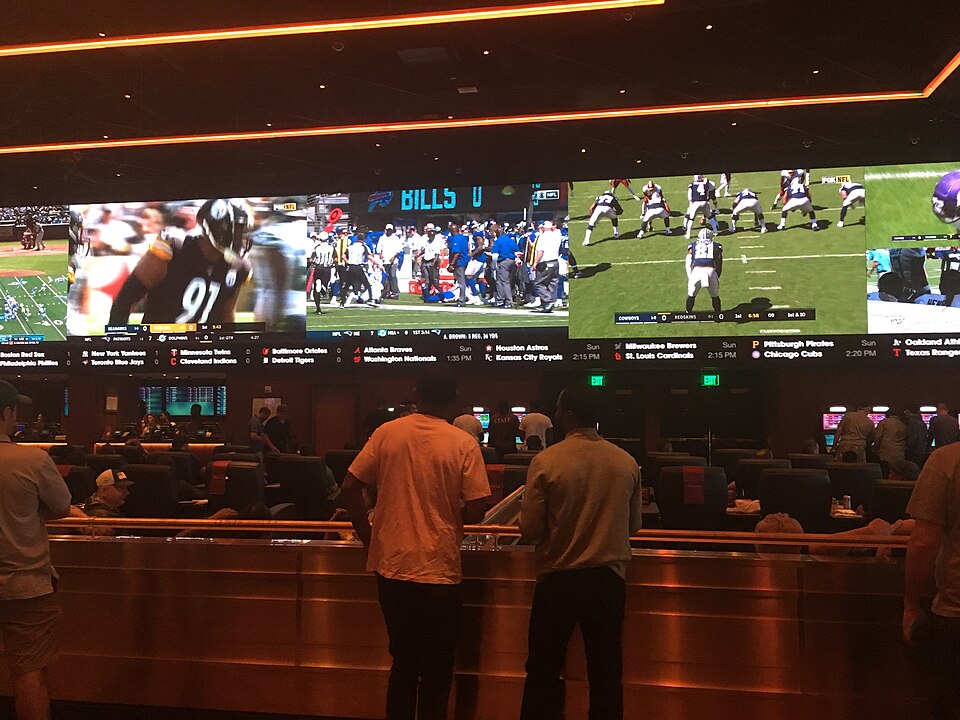
Today’s professional bettors leverage technology to gain an edge. Advanced betting software can track line movements across hundreds of sportsbooks in real-time, analyze betting percentages from multiple sources, and even use machine learning algorithms to identify patterns that human analysts might miss. These tools are essential components of essential betting software and tools that modern bettors use to gain a competitive advantage.
Essential Data Sources for Market Analysis
- Line movement tracking services: Real-time monitoring of odds changes across multiple sportsbooks to identify sharp action and steam moves
- Betting percentage aggregators: Services that compile public betting data from multiple books to show where recreational money is flowing
- Historical database analysis: Tools that analyze past line movements and outcomes to identify profitable patterns and market inefficiencies
- Social media sentiment analysis: Monitoring public opinion and media narratives that may influence betting patterns and create value opportunities
- Mobile betting optimization: Apps and platforms designed for quick analysis and betting execution on mobile devices, where 70% of wagers are now placed
The sports betting market is projected to reach $9.34 billion by 2028, with 38 states plus D.C. having legalized sports betting in 2026. This rapid growth has created a sophisticated ecosystem of data sources and analysis tools that professional bettors use to gain an edge.
Mobile-First Analysis: Leveraging Real-Time Data
Mobile betting has fundamentally changed how market analysis is conducted. With 70% of all wagers now placed via mobile devices, bettors need analysis tools that work seamlessly across platforms and provide real-time data on the go. The speed advantage of mobile betting means that opportunities can disappear within minutes, making real-time data crucial for modern betting.
Professional bettors use mobile-optimized dashboards that display key metrics like line movements, betting percentages, and market efficiency indicators in a format that’s easy to digest on smaller screens. This mobile-first approach allows for quick decision-making when opportunities arise, which is essential in today’s fast-moving betting markets.
The competitive landscape demands sophisticated market analysis techniques that can be executed quickly and efficiently on mobile devices. Bettors who can analyze data and place bets faster than their competitors often have a significant advantage in identifying and exploiting market inefficiencies.
The most surprising finding in modern sports betting market analysis is that despite the industry’s growth and sophistication, significant inefficiencies still exist—particularly in prop markets and smaller sports. While NFL point spreads may be highly efficient, there are still plenty of opportunities for bettors who understand how to read line movements, analyze betting percentages, and identify where public bias is creating value on the other side.
To start applying these techniques immediately, focus on tracking line movements for games where you see 70%+ of public bets on one side. Monitor whether the line moves toward that heavily bet side or if it moves in the opposite direction. When you see reverse line movement—where the line moves against the public betting percentage—it often indicates sharp money has identified value, and following that sharp action can be profitable over time. However, proper bankroll management is essential to protect your capital while implementing these strategies.