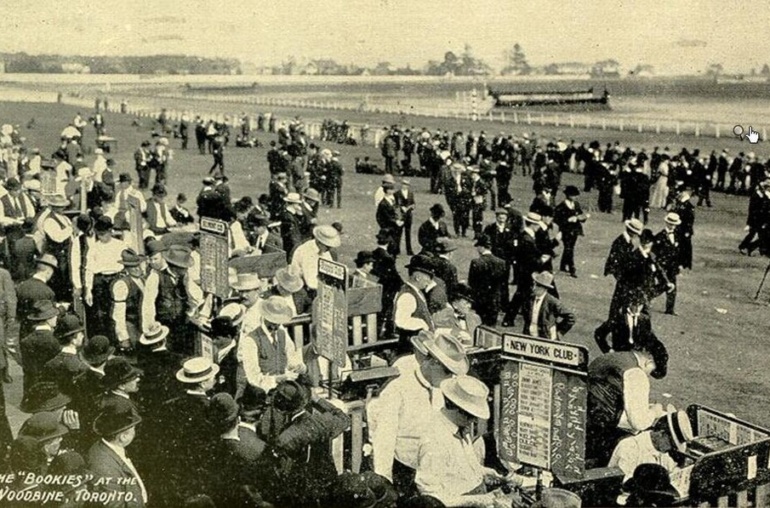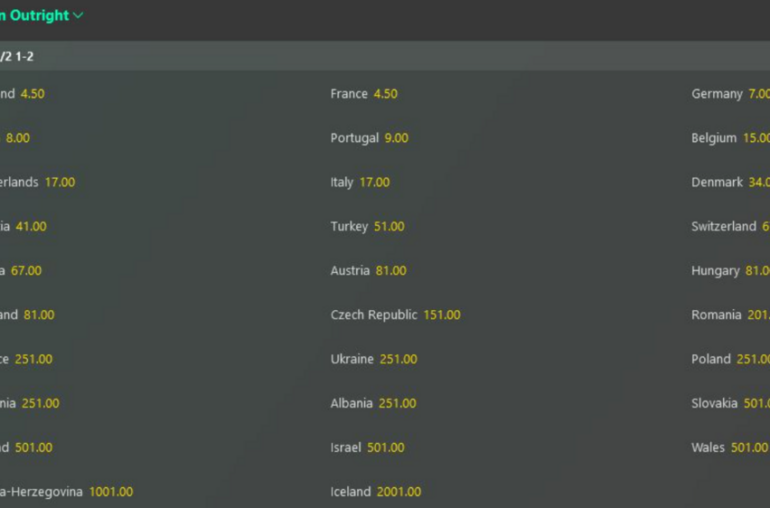

Betting limits and restrictions market efficiency analysis reveals significant variations in how quickly and accurately different markets incorporate new information. Prop markets show the highest inefficiency due to specialized knowledge requirements, while major league markets demonstrate greater efficiency due to higher liquidity and sharper betting activity. The relationship between market size, liquidity, and efficiency creates predictable patterns that informed bettors can exploit.
- Market efficiency varies significantly across sports betting markets, with prop markets showing 10-15% line movement opportunities within minutes
- 68% of sharp bettors use line movement analysis to identify inefficient markets and profitable opportunities
- The sports betting market is projected to reach $9.34 billion by 2028, with 70% of wagers placed via mobile devices
- 38 states plus D.C. have legalized sports betting in 2026, creating a competitive landscape with varying efficiency levels
Why Sports Betting Markets Vary in Efficiency: The Key Factors
Market Size and Liquidity: The Efficiency Correlation
Larger sports betting markets demonstrate greater efficiency due to higher liquidity and sharper betting activity. The sports betting market is projected to reach $9.34 billion by 2028, with 70% of all wagers placed via mobile devices. This massive scale creates more sophisticated betting activity that incorporates information faster and more accurately. When markets have higher liquidity, they can absorb large bets without significant line movement, making them more efficient at reflecting true probabilities. The relationship between market size and efficiency follows a clear pattern: as the total betting volume increases, the market becomes better at processing information and setting accurate lines.
Information Asymmetry: Why Prop Markets Are Less Efficient
Prop markets are less efficient than traditional betting markets due to specialized knowledge requirements that create information asymmetry. When a prop line moves 10+ cents across multiple sportsbooks, it typically indicates sharp money activity that reveals exploitable inefficiencies. This information gap exists because prop markets require specific expertise about individual players, game situations, or niche statistical outcomes that most bettors lack. The sheer volume of available props – from player performance metrics to in-game events – means that oddsmakers cannot price every market perfectly, creating opportunities for informed bettors with specialized knowledge to find value.
How to Identify Beatable Markets: Line Movement Analysis
Sharp Money Indicators: When Lines Move 10-15% Within Minutes
Line movements can shift 10-15% within minutes during high-volume games, creating profitable opportunities for bettors who can identify these patterns. Sharp bettors use line movement analysis extensively, with 68% incorporating it into their betting strategies. The table below shows how different line movement percentages correlate with market efficiency and betting opportunities:
| Line Movement | Time Frame | Market Efficiency | Opportunity Level |
|---|---|---|---|
| 2-5% | Hours | High | Low |
| 5-10% | 30-60 minutes | Medium | Medium |
| 10-15% | Minutes | Low | High |
| 15%+ | Seconds | Very Low | Very High |
Legal Jurisdictions and Market Competition: 38 States Creating Opportunities
The expansion to 38 states plus D.C. with legalized sports betting in 2026 creates varying efficiency levels across jurisdictions. Competition between legal markets affects line efficiency and creates arbitrage opportunities for informed bettors. When multiple sportsbooks operate in the same market, they compete for customers by offering slightly different lines, creating inefficiencies that sharp bettors can exploit. This jurisdictional variation means that the same game might have different lines in different states, providing opportunities for bettors who can quickly identify and act on these discrepancies.
The Kelly Criterion and Bankroll Management in Inefficient Markets

Optimal Bet Sizing: When Markets Are Beatable vs. Efficient
The Kelly Criterion formula applies differently to efficient versus inefficient markets, with larger edges in inefficient markets justifying larger optimal bet sizes. This mathematical formula for optimal bet sizing helps bettors determine how much of their bankroll to wager based on their perceived edge. In inefficient markets where bettors can identify significant advantages, the Kelly Criterion suggests larger bet sizes to maximize long-term growth. However, in efficient markets where edges are smaller, the formula recommends more conservative betting to protect capital.
Portfolio Theory Application: Managing Correlated Market Exposure
Modern portfolio theory applies to sports betting across multiple inefficient markets, with correlation management reducing overall risk while maintaining profitability. By diversifying across different sports and market types, bettors can reduce the impact of correlated losses while maintaining exposure to multiple inefficient markets. This approach treats sports betting like an investment portfolio, where the goal is to maximize returns while managing risk through diversification. Correlation management becomes particularly important when betting on related outcomes, such as player props and team totals that might move together.
The most surprising finding is that prop markets, despite being less efficient overall, offer the highest potential returns for bettors with specialized knowledge. The specific action step is to start tracking line movements across multiple sportsbooks, focusing on prop markets where 10+ cent shifts indicate sharp money activity and exploitable inefficiencies. By understanding market efficiency patterns and applying proper bankroll management, bettors can identify and capitalize on the most beatable markets while protecting their capital from the efficient ones. Understanding sports betting psychology is crucial for making rational decisions in these markets.